
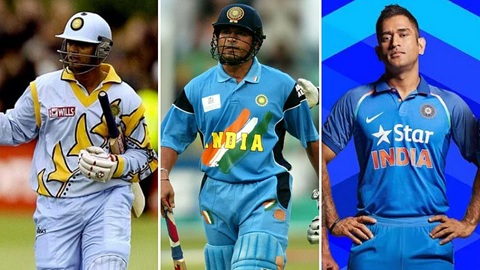

Cricket jerseys have undergone a dramatic transformation over the past century. What began as simple white uniforms symbolizing tradition and sportsmanship has evolved into vibrant, commercially driven branding platforms. Today, jerseys are not just athletic apparel — they are global advertising spaces that reflect broadcasting rights, digital audiences, and multi-million-dollar sponsorship deals.
In recent years, betting companies such as Bison casino and other gaming brands have increasingly appeared on cricket kits, especially in franchise leagues. This shift highlights how the commercial ecosystem of cricket has adapted to the growth of online wagering markets and global sports entertainment.
The evolution of cricket jerseys tells a broader story about commercialization, regulation, and the expanding influence of betting sponsorships.
From Tradition to Commercialization
Cricket’s early aesthetic emphasized uniformity and restraint. For decades, white kits dominated international matches, particularly in Test cricket. Branding was minimal, and commercial presence on uniforms was almost nonexistent.
However, television broadcasting changed the sport’s economic model. As global audiences expanded, teams recognized the value of visual real estate.
The Introduction of Colored Kits
The shift toward colored jerseys began with limited-overs cricket in the late 20th century. World Cups introduced brighter designs, national motifs, and more flexible branding opportunities.
This transition coincided with the growth of televised tournaments, where jersey visibility became a key marketing asset. Logos placed on the chest, sleeves, and even trousers reached millions of viewers worldwide.
Colored kits made it easier for sponsors to stand out, transforming jerseys into mobile billboards.
Corporate Logos and Sleeve Sponsorships
As leagues professionalized, sponsorship placements diversified. Instead of a single logo, teams began offering multiple advertising slots.
Modern jerseys often include:
- Main front sponsor
- Sleeve sponsor
- Back-of-shirt sponsor
This layered approach maximizes revenue per square inch of fabric. Betting companies entered this space as they sought visibility among sports audiences.
The Rise of Betting Brand Sponsorships
The integration of betting brands into cricket sponsorship reflects broader changes in sports marketing. Online wagering platforms expanded rapidly in the 2010s, aligning naturally with live sports engagement.
Before examining financial implications, it is important to note that regulatory frameworks vary widely by country. Some jurisdictions restrict gambling advertising, while others permit it under licensed conditions.
Franchise Leagues and Commercial Freedom
Franchise-based tournaments such as T20 leagues operate with greater commercial flexibility than traditional international cricket boards. Teams negotiate independent sponsorship deals, often targeting digital-first brands.
Betting operators view these tournaments as ideal exposure channels due to:
- High broadcast viewership
- Younger digital audiences
- Strong social media engagement
As a result, jersey sponsorship deals with betting brands have become increasingly common in franchise competitions.
Financial Scale of Sponsorship Deals
While exact figures vary, main jersey sponsorship contracts in top leagues can range from several million to tens of millions of dollars annually. Betting companies frequently compete for these placements because they deliver high brand recall during live matches.
The following table illustrates how sponsorship categories have diversified over time:
| Era | Dominant Sponsors | Jersey Branding Density |
| Pre-1990s | Minimal / Traditional | Very Low |
| 1990s–2000s | Telecom, Consumer Brands | Moderate |
| 2010s–Present | Tech, Betting, Crypto Brands | High |
The growing density of logos reflects cricket’s transformation into a fully commercialized sports product.
Design Innovation and Branding Strategy
As sponsorship space expanded, jersey design evolved to accommodate brand integration without overwhelming visual identity.
Before examining aesthetic trends, it is worth noting that merchandising revenue now forms a significant share of team income. Jerseys must appeal both to sponsors and fans.
Modern Fabric Technology and Visual Identity
Advanced performance materials improved comfort and durability, but they also enhanced print quality. High-resolution logos, gradient patterns, and bold typography became standard.
Teams balance national symbolism with sponsor prominence. Color schemes are carefully selected to ensure sponsor logos remain visible on television and streaming platforms.
Design now involves collaboration between marketing departments and apparel manufacturers to optimize sponsor placement.
Digital Amplification Beyond the Stadium
Jerseys no longer function only during live matches. Social media posts, highlight clips, and promotional campaigns extend logo exposure far beyond the stadium.
When a player celebrates a milestone or viral moment, sponsor visibility multiplies across digital platforms. Betting brands benefit significantly from this amplification, as online engagement directly correlates with platform traffic.
Regulatory Tensions and Ethical Debate
The growing presence of betting sponsors has sparked debate within cricket communities.
Before forming conclusions, it is important to consider that sponsorship income often funds grassroots development, player salaries, and infrastructure investment.
Advertising Restrictions in Certain Markets
Some countries impose strict advertising rules on gambling-related promotions, particularly during broadcasts accessible to minors. Teams operating across multiple jurisdictions must adapt branding strategies accordingly.
In some cases, alternate sponsors replace betting logos during matches in restricted markets.
Balancing Revenue and Responsibility
Cricket boards and league organizers increasingly emphasize responsible gambling messaging alongside sponsorship placements.
This dual approach seeks to balance commercial opportunity with social accountability. Transparency and compliance with licensing standards have become essential components of modern sponsorship agreements.
The Commercial Future of Cricket Jerseys
Cricket jerseys now represent a fusion of sport, marketing, and digital entertainment. Sponsorship deals with betting brands reflect broader economic shifts within global sports ecosystems.
While debates over regulation and ethics continue, the financial reality is clear: sponsorship revenue fuels competitive balance, player compensation, and league expansion.
The evolution of cricket kits from simple whites to multi-logo performance apparel mirrors the sport’s transformation into a global commercial enterprise. As long as live sports remain central to betting engagement, partnerships between cricket franchises and gaming brands are likely to persist.
Ultimately, the jersey has become more than a uniform. It is a dynamic commercial platform, symbolizing the intersection of tradition, technology, and modern sports finance.