
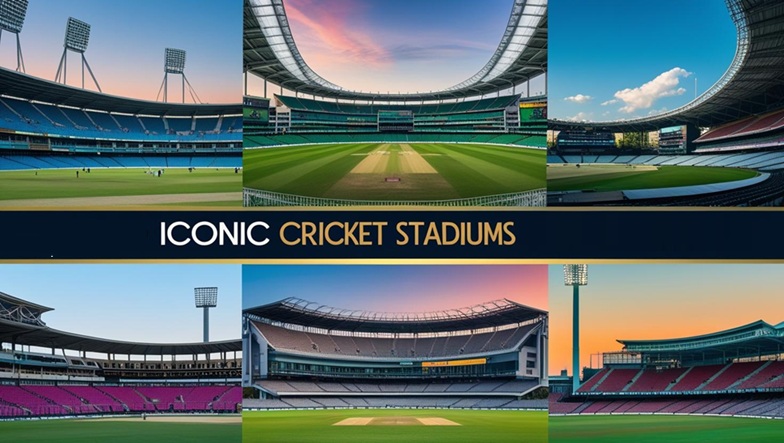

Cricket stadiums are more than sporting venues — they are economic engines that transform host cities during major tournaments. When global events like the ICC World Cup or T20 competitions arrive, hospitality, tourism, and entertainment sectors experience a measurable surge. In many regions, this uplift extends beyond hotels and restaurants to digital gaming platforms such as lemon kaszino, which often see increased traffic during high-profile cricket fixtures.
Major tournaments create temporary but powerful economic ecosystems. From international visitors to local sponsorship activations, stadium-centered events reshape spending patterns across multiple industries — including casinos.
Legendary Cricket Stadiums That Anchor Global Events
Iconic venues carry historical weight, architectural identity, and global broadcasting appeal. They act as magnets for tourism and large-scale commercial partnerships.
Before examining specific stadiums, it is important to understand that infrastructure quality directly influences a city’s ability to host international tournaments and attract associated entertainment spending.
Melbourne Cricket Ground (MCG)
Located in Australia, the Melbourne Cricket Ground is one of the largest stadiums in the world, with a capacity exceeding 100,000 spectators. It regularly hosts international test matches and global finals.
The MCG contributes significantly to Melbourne’s event-driven tourism economy. During major tournaments, hotel occupancy rates surge, and entertainment districts see substantial foot traffic growth.
Lord’s Cricket Ground
Often called the “Home of Cricket,” Lord’s in London blends heritage with commercial modernity. Hosting matches here adds prestige to tournaments, which increases media exposure and sponsor visibility.
Events at Lord’s typically coincide with spikes in hospitality revenue, premium ticket sales, and high-end entertainment spending.
Eden Gardens
Based in Kolkata, Eden Gardens is one of India’s most passionate cricket venues. Its capacity and atmosphere make it a prime location for World Cup fixtures and IPL games.
Local businesses — from restaurants to gaming platforms — experience tournament-driven demand surges when international teams compete at this venue.
Economic Ripple Effects of Major Cricket Tournaments
Major tournaments are structured as multi-week events, creating sustained economic momentum rather than one-day spikes.
Before breaking down the casino impact, it is essential to understand the broader spending framework generated by large sporting competitions.
Tourism and Hospitality Surge
International tournaments drive:
- Increased hotel bookings
- Restaurant and nightlife spending
- Local transport usage
Visitors often extend stays beyond match days, boosting overall regional consumption.
Media, Sponsorship, and Betting Activity
Television rights and digital streaming generate global viewership. As attention concentrates on marquee matches, entertainment and gaming platforms typically record higher engagement.
Online casinos and sports betting operators benefit from:
- Elevated live-event betting volumes
- Cross-promotion campaigns during broadcasts
- Tournament-themed bonuses and offers
The synchronization of sporting excitement and digital gaming marketing plays a significant role in revenue growth.
How Cricket Tournaments Influence Local Casino Revenue
The relationship between cricket tournaments and casino revenue is both direct and indirect.
Before analyzing numbers, it is important to clarify that regulation varies by country. In licensed markets, tournament periods frequently correspond with measurable increases in online gaming activity.
Short-Term Revenue Spikes
During major fixtures, casinos often see:
- Higher daily active users
- Increased deposit frequency
- Longer session durations
Live sports events create emotionally charged environments, which tend to amplify engagement in related entertainment sectors.
Cross-Channel Marketing Strategies
Casino operators align promotional campaigns with tournament schedules. These may include cricket-themed slot tournaments, leaderboard competitions, or match-day cashback bonuses.
Such strategies convert sports audiences into gaming participants, particularly when marketing integrates seamlessly with live coverage.
Revenue Impact Comparison
Below is a simplified overview of how tournament periods compare to standard months in regulated markets:
| Metric | Regular Month | Tournament Month |
| Average Daily Active Users | 100% | 125–150% |
| Deposit Volume | 100% | 130–160% |
| Session Duration | Baseline | +20–35% |
| Promotional Campaign Spend | Moderate | High |
While figures vary by region, consistent patterns show heightened engagement during major cricket events.
Infrastructure Investment and Long-Term Gains
Beyond short-term revenue boosts, tournaments justify large-scale infrastructure investments.
Before expanding into details, it is worth recognizing that cities often upgrade digital connectivity, transport systems, and entertainment facilities ahead of hosting rights.
Stadium Modernization
Renovations improve seating capacity, VIP hospitality areas, and broadcasting facilities. These upgrades attract future events, extending economic benefits beyond a single tournament cycle.
Digital Ecosystem Growth
Enhanced digital infrastructure benefits online platforms, including regulated casinos. Faster connectivity and expanded mobile adoption increase accessibility and long-term user growth.
Thus, tournaments indirectly strengthen the broader entertainment economy, including gaming sectors.
Balancing Regulation and Growth
While revenue growth is attractive, responsible gambling frameworks remain critical.
Before drawing conclusions, it is important to note that regulated markets emphasize:
- Player protection systems
- Deposit limits
- Self-exclusion tools
Sustainable revenue depends on compliance and responsible engagement rather than unchecked expansion.
Governments hosting major cricket tournaments often reassess regulatory frameworks to ensure that increased activity remains within legal and ethical boundaries.
Conclusion: Stadiums as Economic Catalysts
Iconic cricket stadiums symbolize sporting excellence, but their economic influence extends far beyond the pitch. Major tournaments transform host cities into temporary global hubs of tourism, media attention, and entertainment spending.
From hospitality surges to elevated online gaming engagement, the ripple effects are measurable. Platforms operating in licensed environments frequently observe increased activity aligned with high-profile cricket fixtures.
Ultimately, major cricket tournaments serve as powerful economic accelerators. They generate immediate revenue boosts while strengthening long-term infrastructure and digital ecosystems. For host cities, the impact is not limited to applause in the stands — it resonates across entertainment industries, including local and online casino markets.