
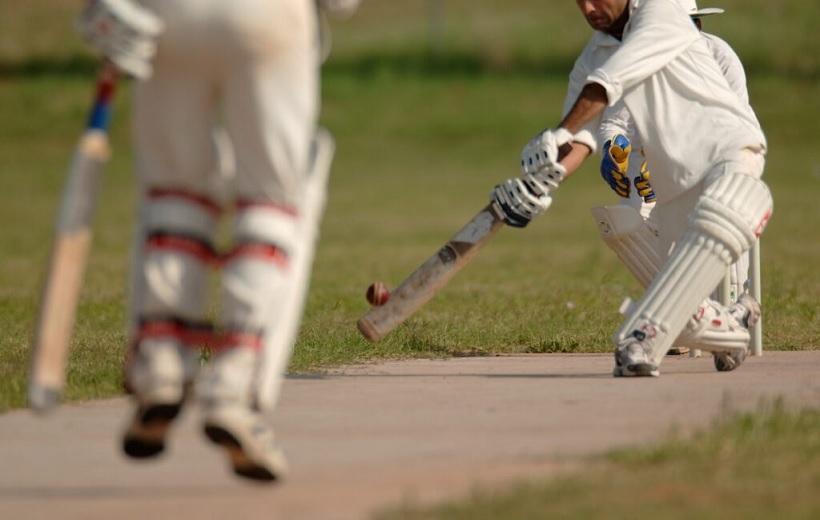

Batting, Bowling, Fielding & Wicketkeeping Explained
Introduction
Cricket is primarily defined by skill, focus, timing, and technique. But beyond the tactics and excitement, it can also be a solid form of physical activity.
Many people assume cricket is not especially demanding because of the pauses between deliveries and lower movement compared to sports like football or tennis. However, that’s only part of the story.
Cricket often involves:
- sprinting between wickets
- repeated bursts of effort
- long periods on your feet
- quick reactions
- role-specific physical demands
These factors can add up significantly over the course of a match or training session.
That’s why players, parents, coaches, and fans often ask:
👉 How many calories do you burn playing cricket?
The answer depends on several factors, including:
- body weight
- match format
- duration of play
- intensity level
- playing role (batting, bowling, fielding, wicketkeeping)
In this guide, we’ll break down how calorie burn works in cricket, which roles burn the most, and how you can estimate your own numbers more accurately.
Is Cricket Good for Burning Calories?
Yes — cricket can burn a significant number of calories.
While it doesn’t involve constant movement like football or tennis, it combines multiple physical demands, including:
- short sprints
- explosive power
- coordination
- balance
- endurance
- sustained concentration
Activities like running between wickets, bowling overs, diving in the field, chasing the ball, throwing, and wicketkeeping all contribute to energy expenditure.
Cricket can help with:
- increasing daily physical activity
- improving fitness and endurance
- supporting weight management
- developing coordination and agility
- reducing sedentary time
While calorie burn varies, cricket is far from a passive sport.
How Calories Burned in Cricket Are Estimated
There is no single fixed calorie number for cricket. Calorie burn depends on both the player and how the game is played.
Key factors include:
- body weight
- duration of play
- intensity level
- playing role
- match format
- fitness level
- weather and field size
In general:
- heavier players burn more calories
- more active roles burn more than passive ones
Because calorie burn varies based on these factors, using a calories burned calculator provides a more accurate estimate than relying on general averages.
Average Calories Burned Playing Cricket
Calorie burn varies depending on how casual or competitive the game is.
General estimates per hour:
- 200–350 calories → lighter players (low intensity)
- 300–500 calories → average players (moderate intensity)
- 400–650+ calories → heavier players or highly active roles
These are broad estimates.
A backyard game is very different from a competitive match, and a short T20 session differs significantly from a full-day game.
Which Cricket Role Burns the Most Calories?
Not every player burns energy at the same rate. Some roles are more physically demanding than others.
Bowling
Bowling is one of the most physically demanding roles in cricket.
Fast bowlers perform:
- repeated run-ups
- explosive deliveries
- recovery between balls
Over multiple overs, this creates a high physical workload.
Spin bowlers may not be as explosive, but they still perform repeated movements and remain active.
👉 Bowlers often burn more calories than less active fielders.
Batting
Batting may appear controlled, but it still requires effort.
Batters need to:
- run between wickets
- maintain focus
- react quickly
- stay balanced at the crease
Players who run aggressively and rotate strike frequently burn more calories than those relying mainly on boundaries.
Fielding
Fielding varies greatly depending on position.
Some fielders may remain relatively still, while others:
- sprint to stop boundaries
- chase balls
- dive and throw
- stay constantly engaged
Outfielders often cover large distances, while close fielders rely on quick reactions.
Wicketkeeping
Wicketkeeping is one of the most underrated roles physically.
Wicketkeepers spend much of the innings:
- squatting
- standing repeatedly
- moving laterally
- collecting balls
- reacting quickly
Over time, this creates a significant physical workload.
Batting vs Bowling vs Fielding vs Wicketkeeping
In general, calorie burn tends to follow this order:
- Fast bowling
- Wicketkeeping or active batting
- Active fielding
- Low-action fielding
However, context matters.
A batter running constantly may burn more than a bowler with a short spell. A highly active fielder may outwork others.
Does Match Format Affect Calories Burned?
Yes — format plays a major role.
T20 Cricket
- short and intense
- high bursts of effort
- higher calorie burn per minute
ODI Cricket
- longer duration
- moderate intensity
- higher total calorie burn over time
Test Cricket
- longest format
- more downtime
- still high total burn due to long hours of activity
👉 In simple terms:
- T20 = highest burn per minute
- ODI/Test = higher total burn over time
What Factors Increase Calories Burned?
Several factors can increase calorie burn:
1. Body Weight
Heavier players burn more calories.
2. Intensity
Competitive matches burn more than casual games.
3. Duration
Longer sessions increase total burn.
4. Playing Role
Active roles (bowling, wicketkeeping) burn more.
5. Conditions
Heat, large grounds, and long innings increase effort.
Is Cricket Good for Weight Loss?
Yes — cricket can support weight loss.
However, weight loss depends on overall calorie balance. Cricket increases energy expenditure, but diet and lifestyle also play key roles.
To understand how cricket fits into your daily calorie needs, using a TDEE calculator can help estimate your total daily energy expenditure.
How to Estimate Your Own Cricket Calorie Burn
To get a more accurate estimate, consider:
- your body weight
- how long you played
- intensity level
- your role
- how active you were
Using a calculator is usually more accurate than relying on general averages.
Example: Two Players, Different Results
Imagine two players:
Player A
- lighter body weight
- mostly fields
- low activity
Player B
- heavier body weight
- bowls multiple overs
- highly active
Even though both played for one hour, Player B will burn significantly more calories.
👉 This shows why there is no single universal number.
Does Casual Cricket Count as Exercise?
Yes.
Even casual cricket — backyard games, training sessions, or friendly matches — contributes to overall activity.
It helps:
- increase movement
- improve coordination
- reduce inactivity
Consistency matters more than intensity alone.
Cricket vs Other Sports
Cricket burns fewer calories per minute than high-intensity sports like football or tennis.
However, it often lasts longer.
👉 This means total calorie burn can still be significant.
Final Thoughts
Cricket is more physically demanding than it appears.
Depending on your role, intensity, and duration, it can burn a meaningful number of calories and support fitness and weight management.
The key takeaway:
👉 There is no single calorie number for everyone.
Your calorie burn depends on:
- your body
- your role
- how you play
For the most accurate understanding, combining general knowledge with personalized tools is the best approach.